



When you're deep in the specification process for a residential or commercial project, fireplace selection often brings a familiar set of headaches: venting routes that complicate structural design, clearance requirements that limit placement options, fuel sources that need to be planned around infrastructure, and code compliance that varies by jurisdiction. For decades, those constraints were just part of the job.
Water vapor fireplaces are changing that — and if you haven't seriously evaluated them against traditional options, there's a strong case to be made that you're missing a specification opportunity that delivers real value for your clients and your design intent.
Here's what you need to know.
What Is a Water Vapor Fireplace?
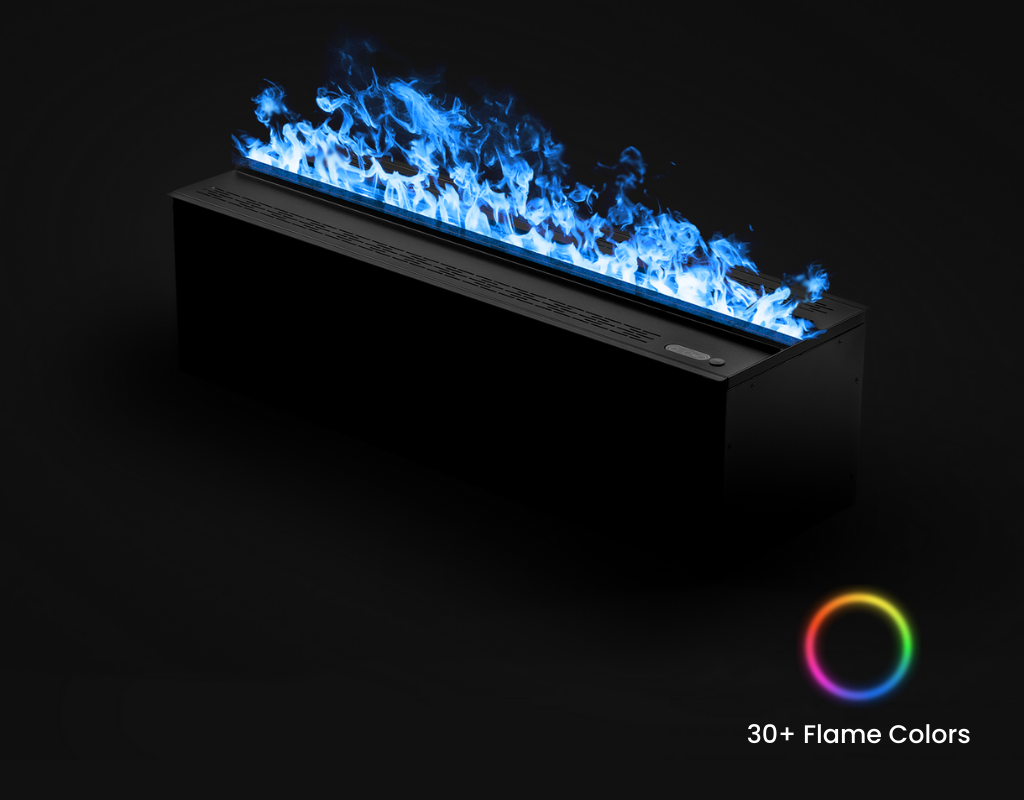
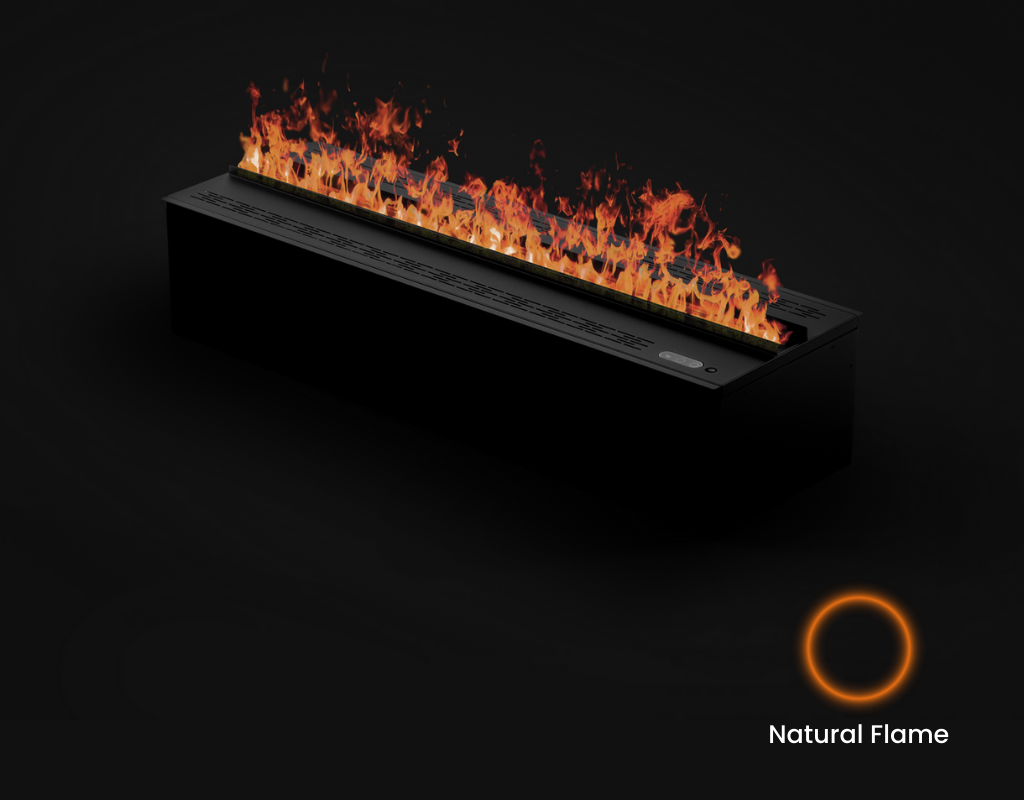
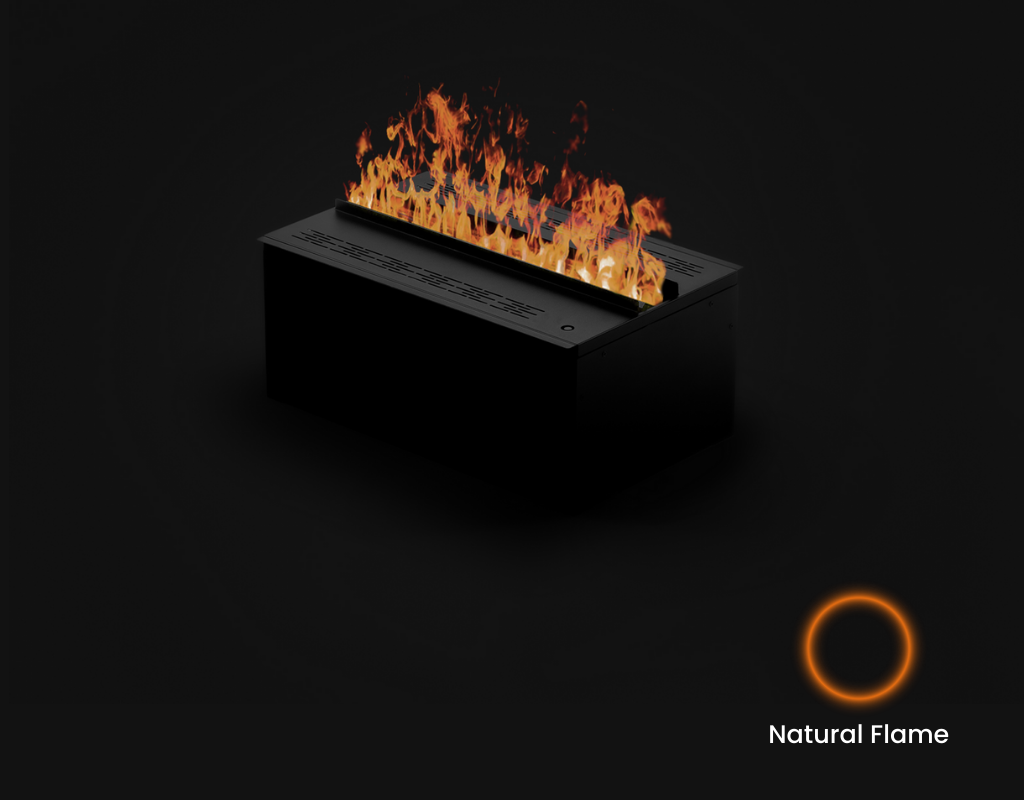
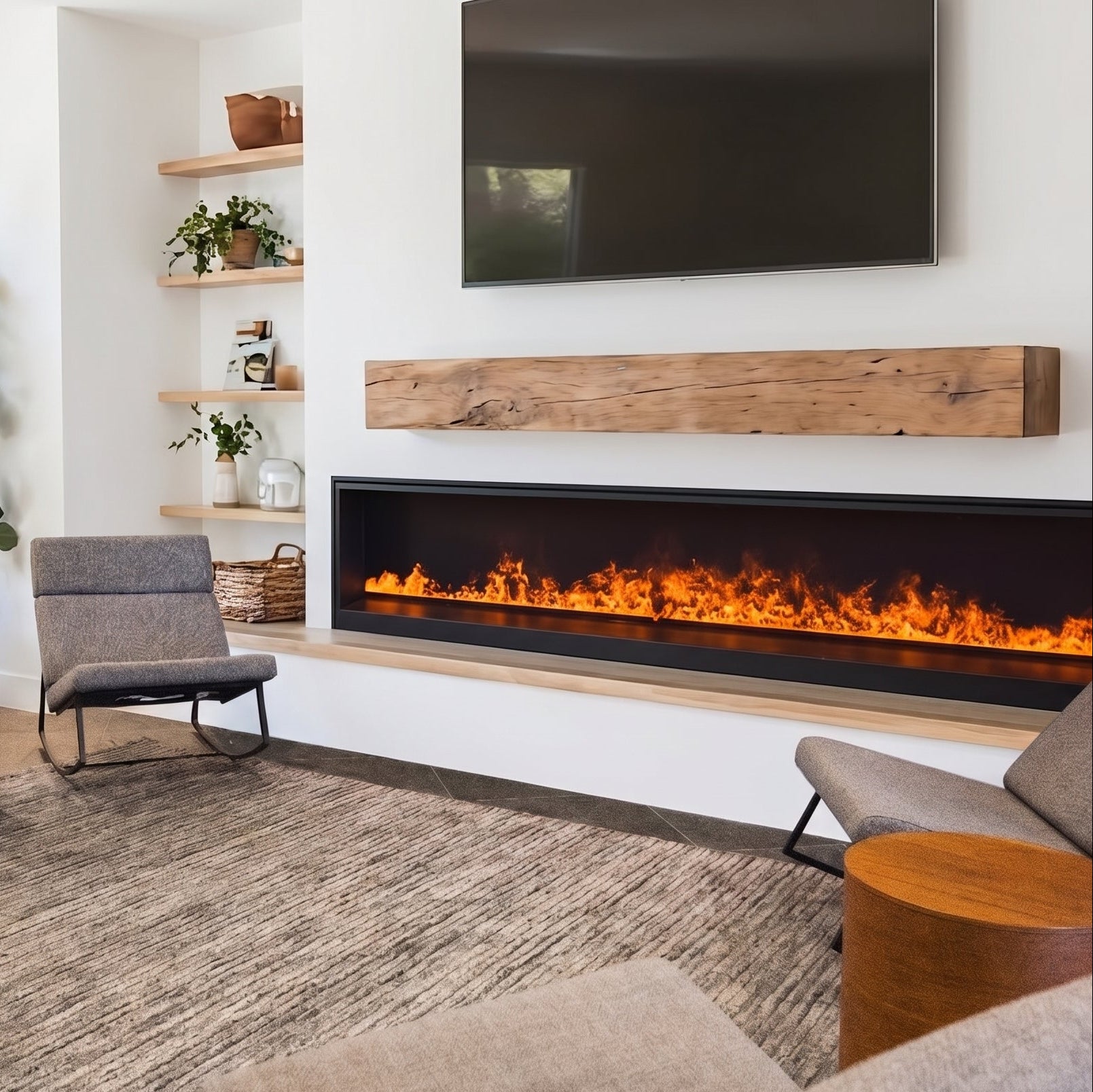
A water vapor fireplace uses ultrasonic technology to convert distilled or softened water into a fine mist, which is then illuminated by LED lighting to create the appearance of real flames. The result is a remarkably convincing fire effect — with no combustion, no heat output, no emissions, and no venting requirements.
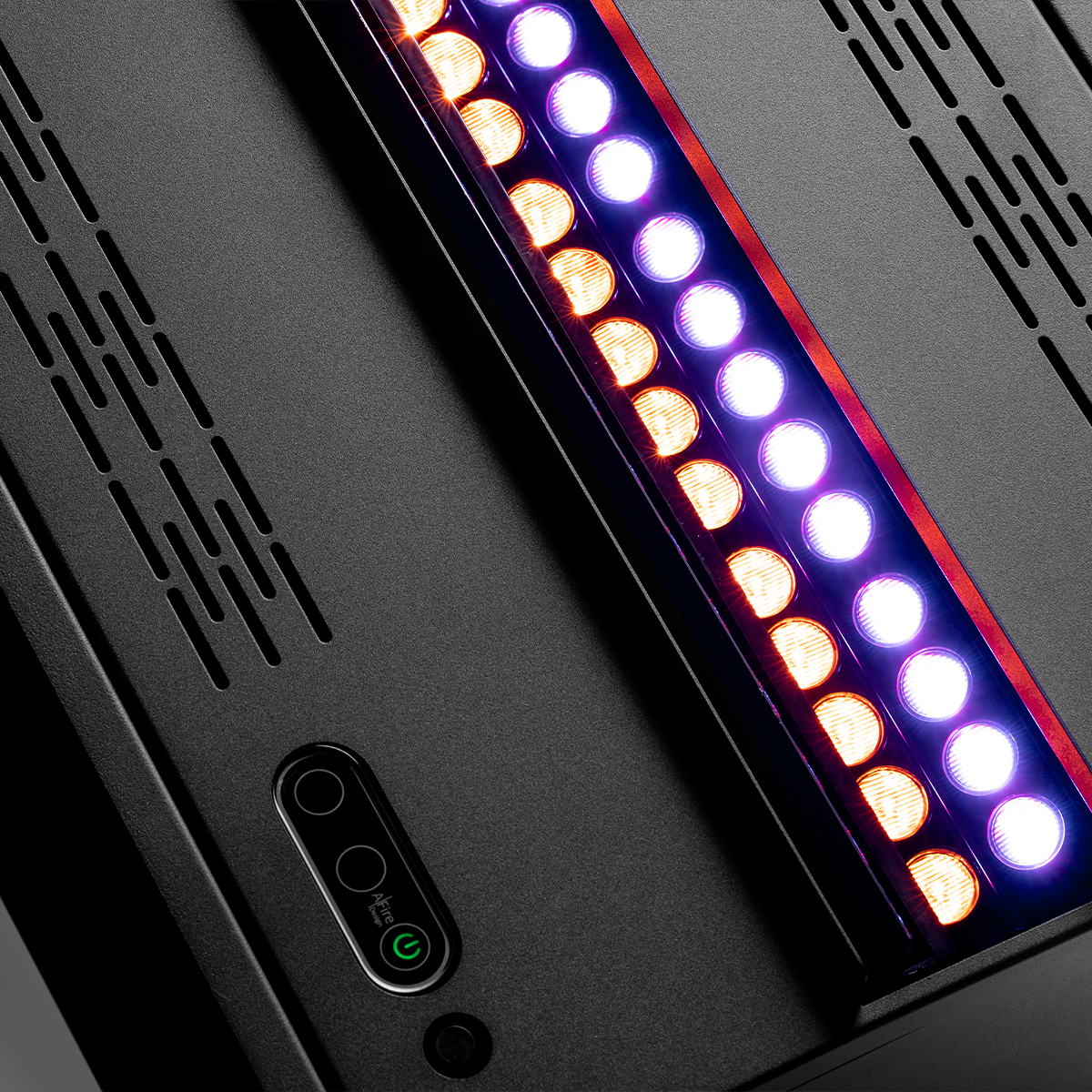
Unlike traditional gas or wood fireplaces, the "fire" is entirely safe to touch, produces no carbon monoxide, and requires no connection to a fuel line or exhaust system. At Aquafire, we take that further: our dual flame bar system creates a layered, three-dimensional flame effect that's among the most realistic on the market...something that matters when your clients are paying premium prices for premium spaces.

The Core Comparison: Where the Differences Actually Matter
Venting & Structural Requirements
Traditional fireplaces, whether wood-burning, gas, or electric resistance, come with venting needs that cascade through a project's design. Wood fireplaces require full chimney systems. Gas fireplaces typically need direct-vent or B-vent configurations that dictate where the unit can be placed relative to exterior walls. Even many electric fireplaces that use heated coils require clearance zones and careful placement.
For an architect or designer, this means the fireplace often has to be designed around (rather than designed into) a space.
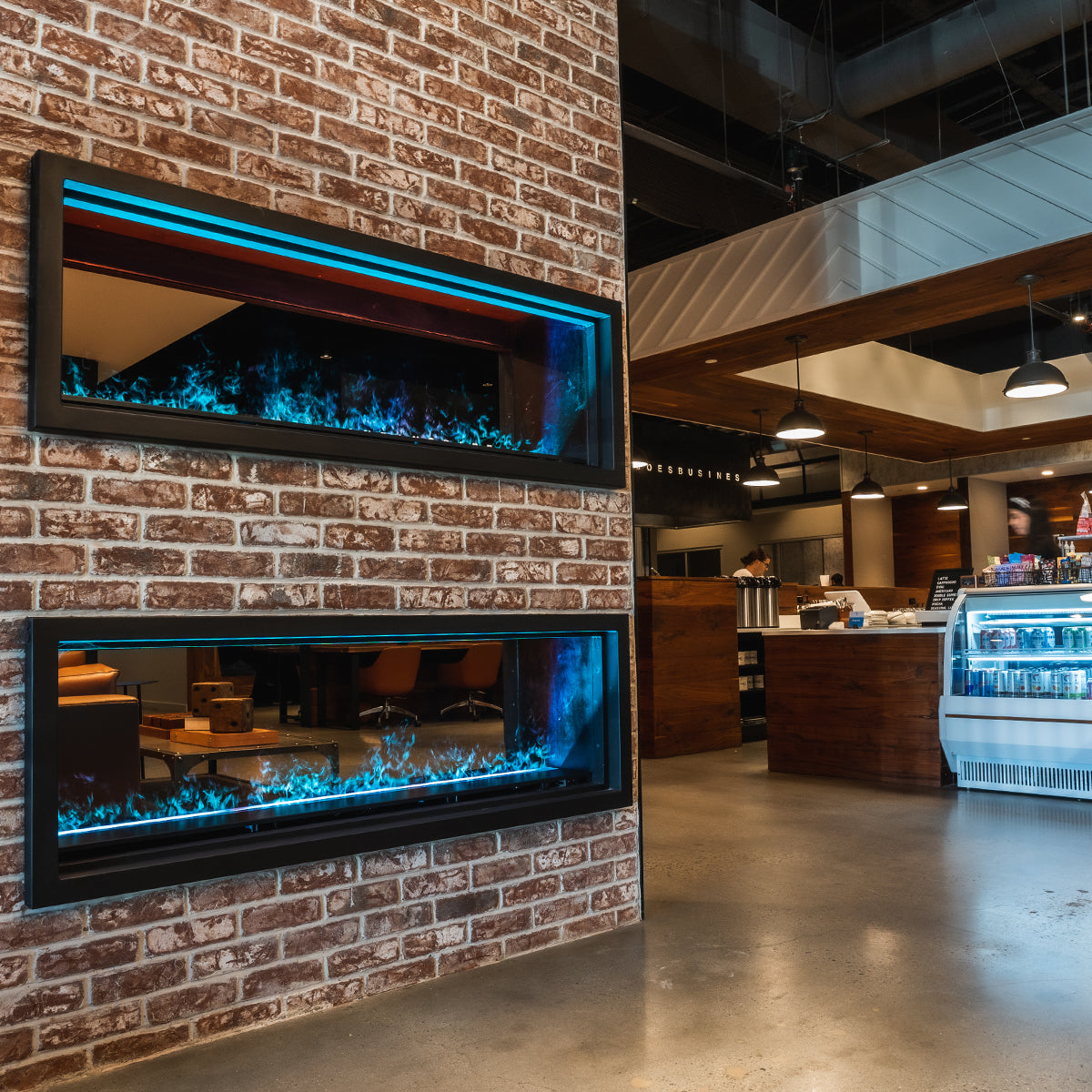
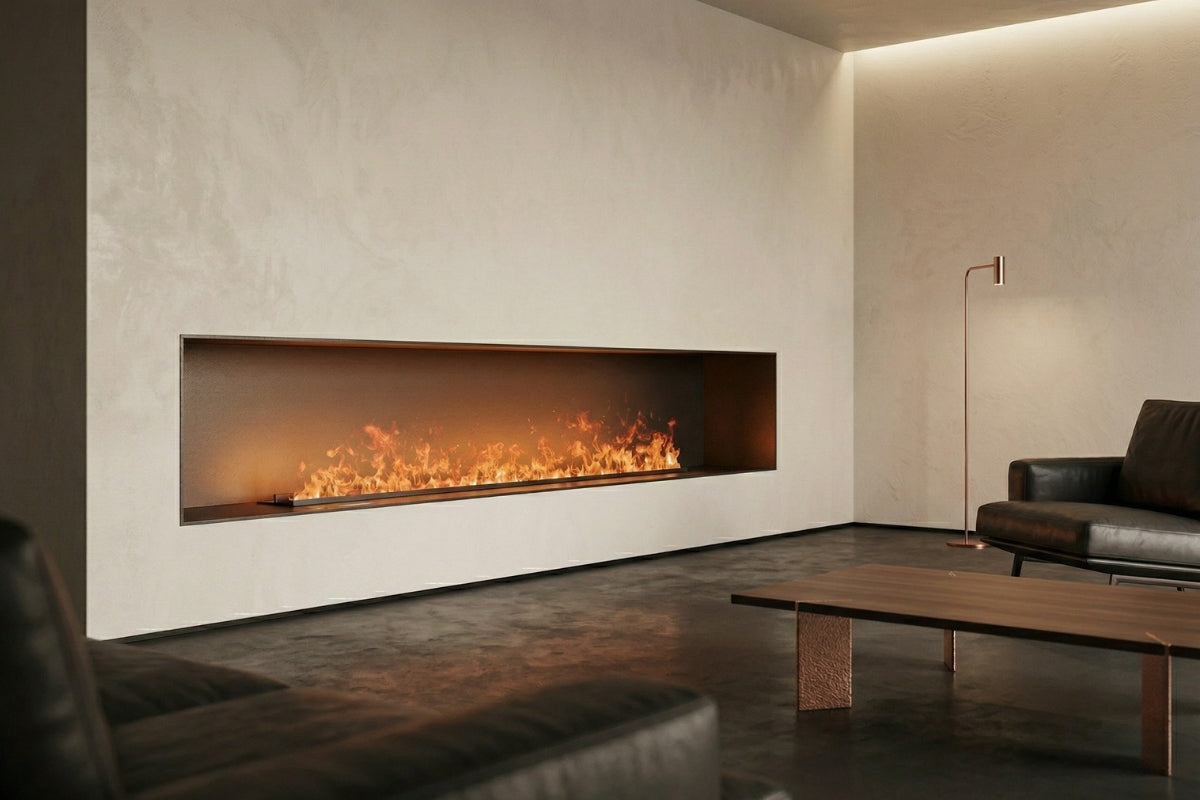
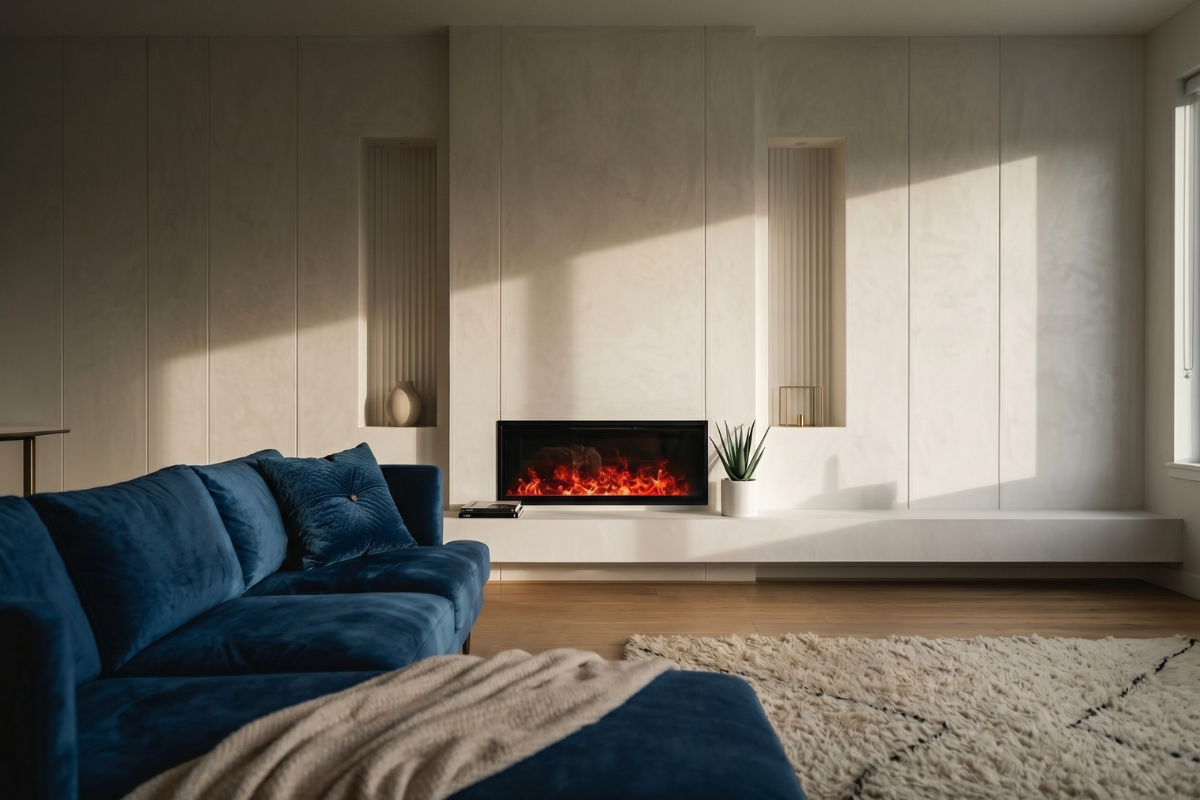
Water vapor fireplaces require none of this. There is no combustion, which means no exhaust, no venting, and no chimney. You can place an Aquafire unit on an interior wall, in the center of a room, below a television, above a bed, or inside a piece of custom furniture — virtually anywhere your design calls for it.
That's not just a convenience. It's a meaningful expansion of what's architecturally possible.
Installation Flexibility

Traditional fireplaces involve mechanical trades from the start: gas lines, chimney flashing, fire-rated framing, and inspections tied to each. Lead times and coordination complexity increase accordingly, particularly on renovation projects where existing structure complicates routing.
Water vapor fireplace installation is dramatically simpler. An Aquafire unit requires:
- A standard electrical connection
- Access to a water source (or manual reservoir filling)
- Clearance specifications for the unit itself
No gas lines. No chimney rough-in. No structural modification in most cases. For renovation and retrofit projects especially, this can represent a significant reduction in scope, timeline, and cost — value you can pass along to your client or protect in your schedule.
Safety & Code Considerations
Building codes and fire safety requirements vary by jurisdiction, but water vapor fireplaces occupy a uniquely favorable position. Because there's no combustion:
- There are no open flame restrictions that apply in many multi-family, commercial, or hospitality settings
- There are no carbon monoxide monitoring requirements tied to the unit
- Clearance requirements are significantly reduced compared to gas or wood-burning alternatives
- Units can be specified in spaces where traditional fireplaces would be prohibited outright — including high-rise residential, hotels, and certain commercial environments
For projects where a traditional fireplace simply isn't code-compliant or feasible, a water vapor fireplace isn't a compromise. It's often the only path to achieving the design intent at all.
Ambiance & Design Quality
This is where the conversation shifts from logistics to craft — and where Aquafire's approach matters.
The quality of a water vapor flame effect varies significantly across manufacturers. Early-generation units produced a thin, obviously artificial mist that read as a novelty rather than an architectural feature. The industry has matured considerably, and at Aquafire, we've built our product specifically around the realism standard that design professionals expect.
Our dual flame bar configuration creates depth and layering in the flame that single-bar systems can't replicate. Combined with our water quality standards — including a true water softener kit and reservoir disinfection before air contact — the result is a consistently clean, high-definition flame that holds up under the scrutiny of high-end residential and commercial environments.

This matters at specification time because your clients will live with this choice. A water vapor fireplace that looks convincingly real is a feature. One that doesn't is a liability.
Maintenance & Longevity
Traditional fireplaces — particularly wood-burning and gas — carry ongoing maintenance requirements that clients often underestimate at the time of purchase: annual chimney inspections, cleaning, potential liner replacement, gas line servicing, and the seasonal realities of keeping a combustion appliance in good working order.
Water vapor fireplaces have a substantially lighter maintenance footprint. The primary considerations are water quality and periodic cleaning of the ultrasonic components. At Aquafire, we've built our system to address the most common maintenance pain points proactively — our water softener kit and reservoir disinfection process are designed to extend component life and maintain flame quality over time, not just at installation.
For clients who want the presence and warmth of a fireplace without the ongoing commitment of a traditional system, that's a meaningful differentiator you can communicate with confidence.
Specifying Aquafire: What to Know
For trade professionals evaluating Aquafire for a project, here are the key specification details to have on hand:
Water source: Units can connect to a dedicated water line or be filled manually via the reservoir. For high-end permanent installations, a plumbed connection is recommended.
Water quality: Aquafire's water softener kit is strongly recommended for optimal flame quality and unit longevity. Distilled water can be used as an alternative.
Electrical: Standard residential voltage; no special electrical requirements.
Customization: Custom sizing, surround materials, and flame configurations are available — contact our trade team for project-specific specifications.
Dealer network: Aquafire works with an established network of fireplace dealers and showrooms. If you're specifying for a client and want to see the product in person before committing, we can connect you with a dealer in your area.

The Bottom Line
Water vapor fireplaces aren't a niche novelty anymore. For a growing range of residential and commercial projects, they represent the most flexible, most code-friendly, and most design-forward fireplace option available — and for clients who want something that looks genuinely impressive, the quality standard matters as much as the technology.
At Aquafire, we build specifically for that standard. If you're evaluating fireplace options for an upcoming project, we'd love to be part of the conversation.


Leave a comment
This site is protected by hCaptcha and the hCaptcha Privacy Policy and Terms of Service apply.