



Water vapor fireplaces are having a moment — and for good reason. No venting, no gas lines, no combustion. They install where traditional fireplaces can't, appeal to a broader range of clients, and open up design possibilities that weren't on the table five years ago. For dealers willing to learn the category, the opportunity is real.
But not all water vapor fireplace brands are built the same. The technology is relatively new, and the market is filling up fast with products that look impressive in photos and underdeliver in the field. Before you commit showroom space and your reputation to a product line, it's worth knowing what questions to ask...and what the answers should sound like.
This guide is built for dealers: what to evaluate, what to watch out for, and what separates a brand worth carrying from one that creates problems after the sale.

1. Start With the Flame Effect — It's What Your Clients Will Judge You On
When a homeowner walks into your showroom and sees a water vapor fireplace for the first time, their first reaction is almost always to the flame. Not to the unit specs. Not to the installation requirements. The flame.
That first impression matters enormously, both for closing the sale and for your reputation after the install. So start your evaluation there.
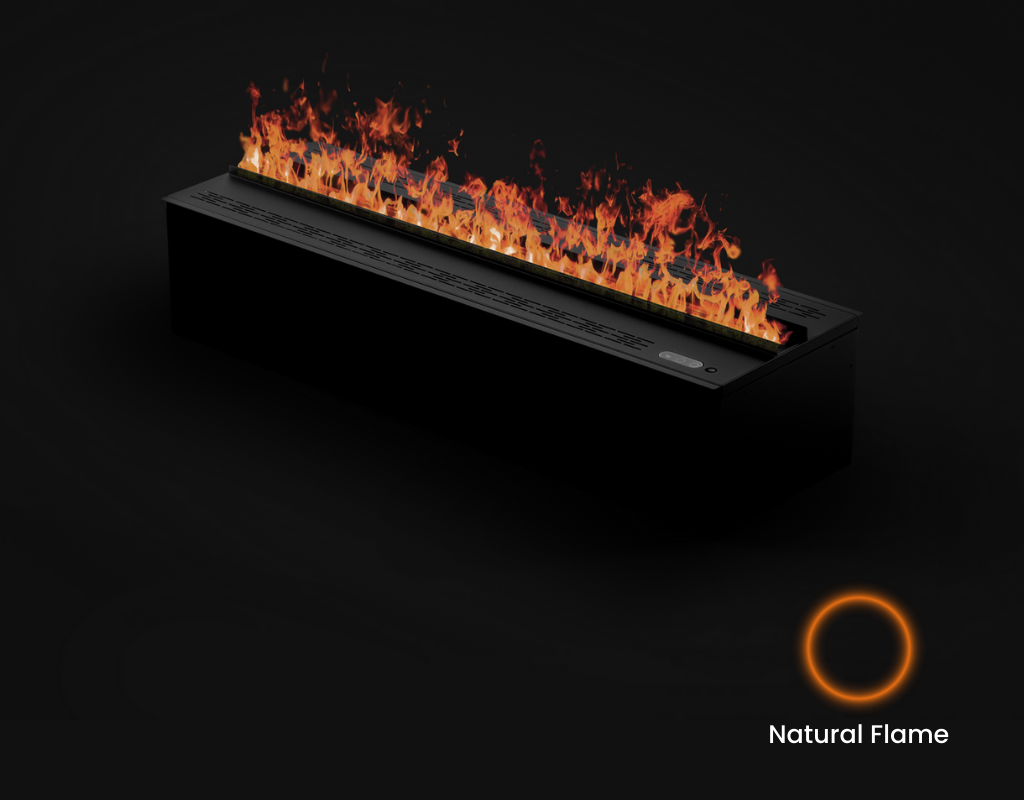
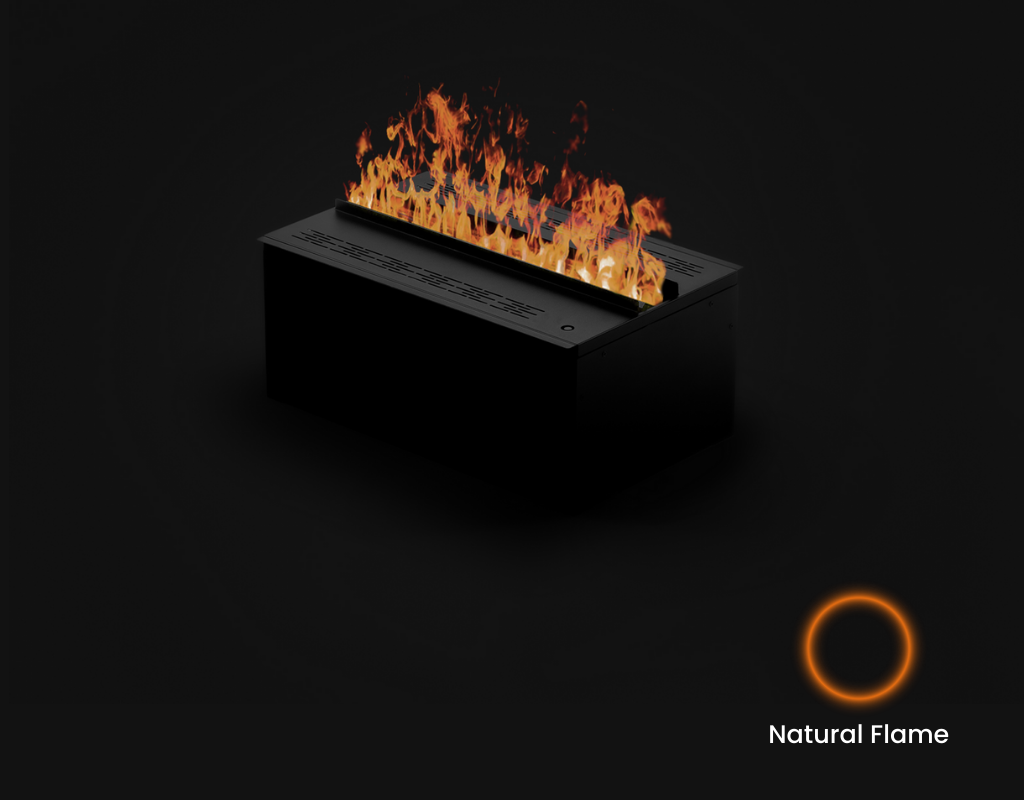
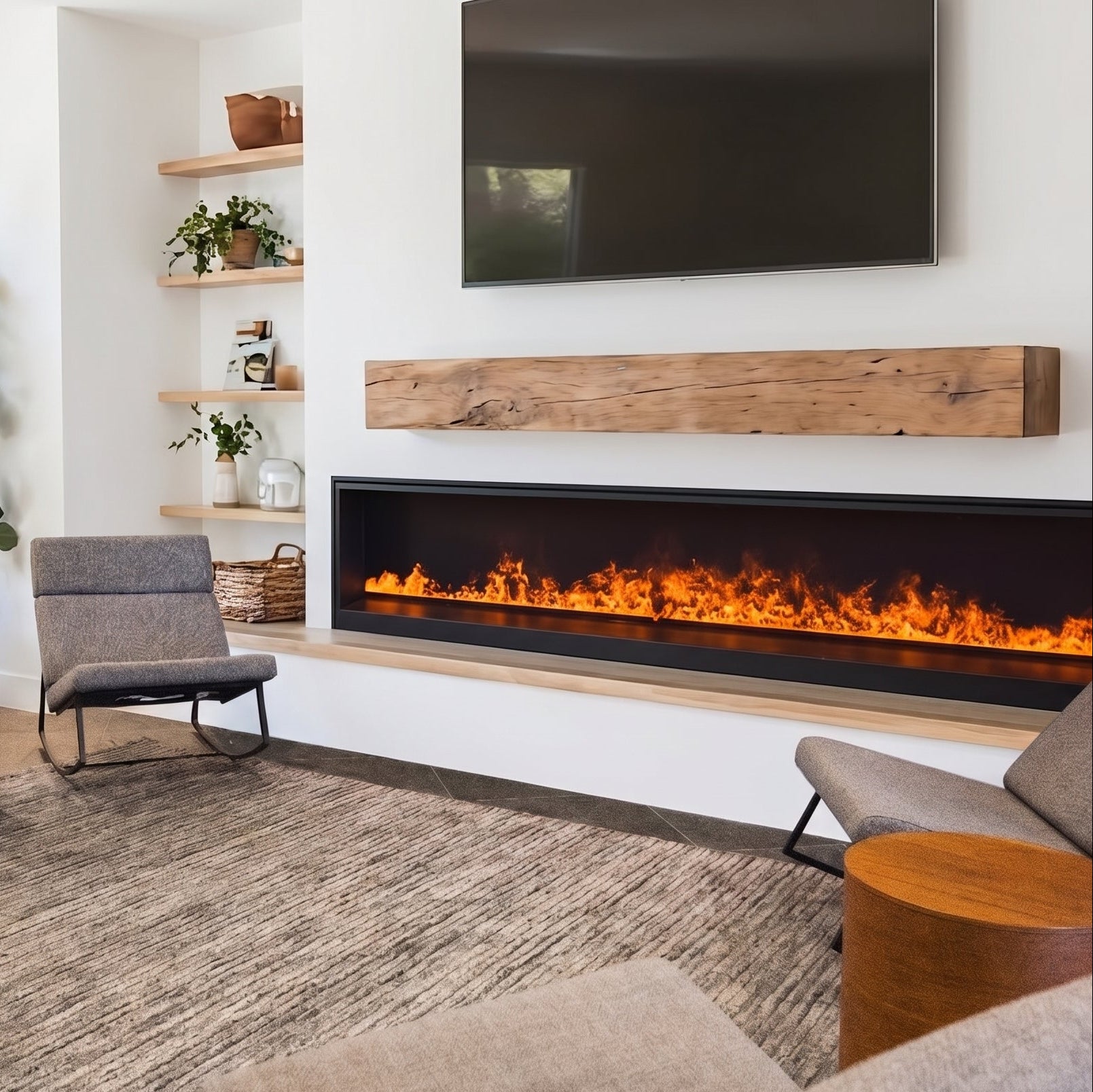
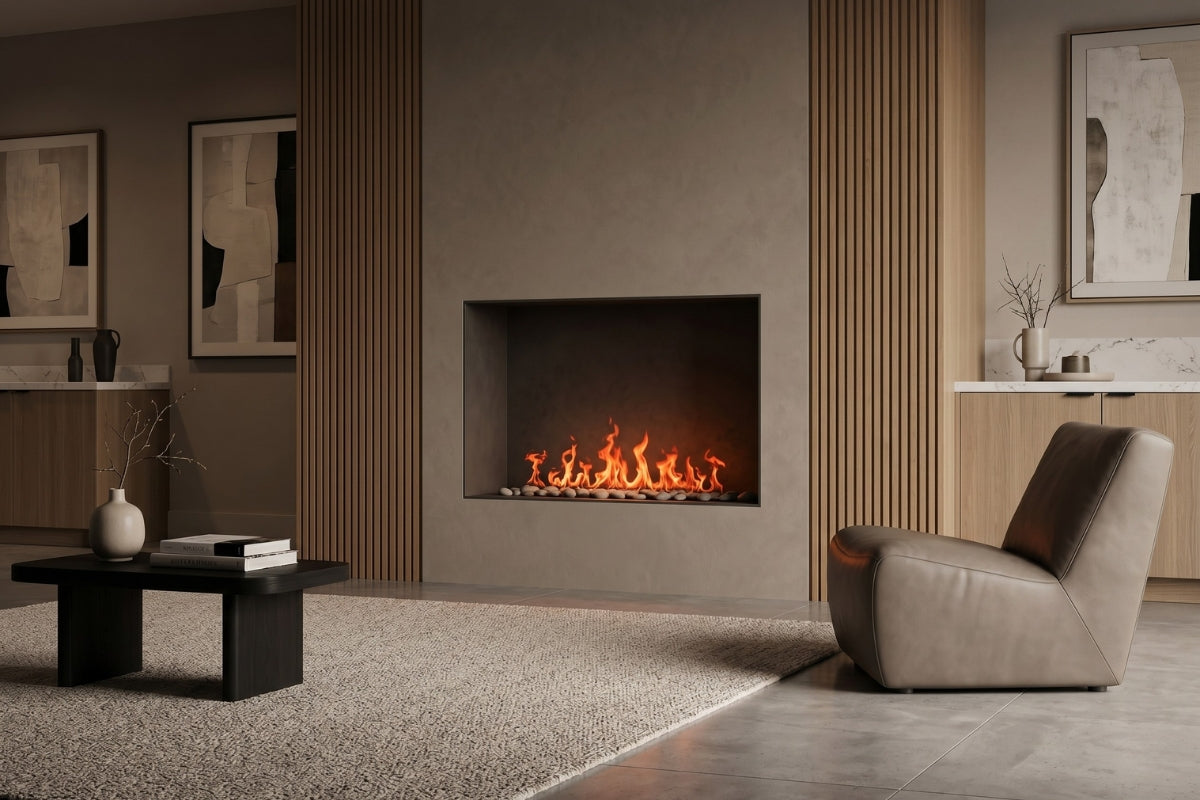
What does a high-quality flame effect look like? It should move. It should shift, flicker, and behave the way real fire does — not loop predictably or look flat and static. It should have depth, with visual layering between the front and back of the firebox. And it should be visible across a range of ambient lighting, not just in a darkened room.
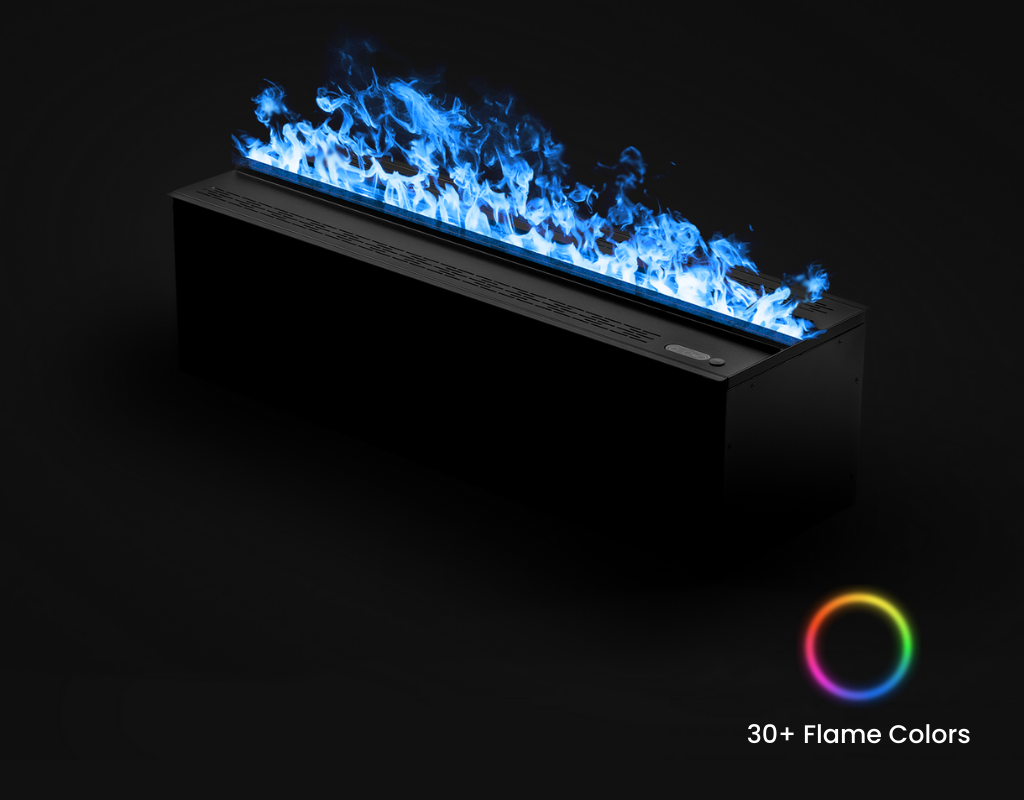
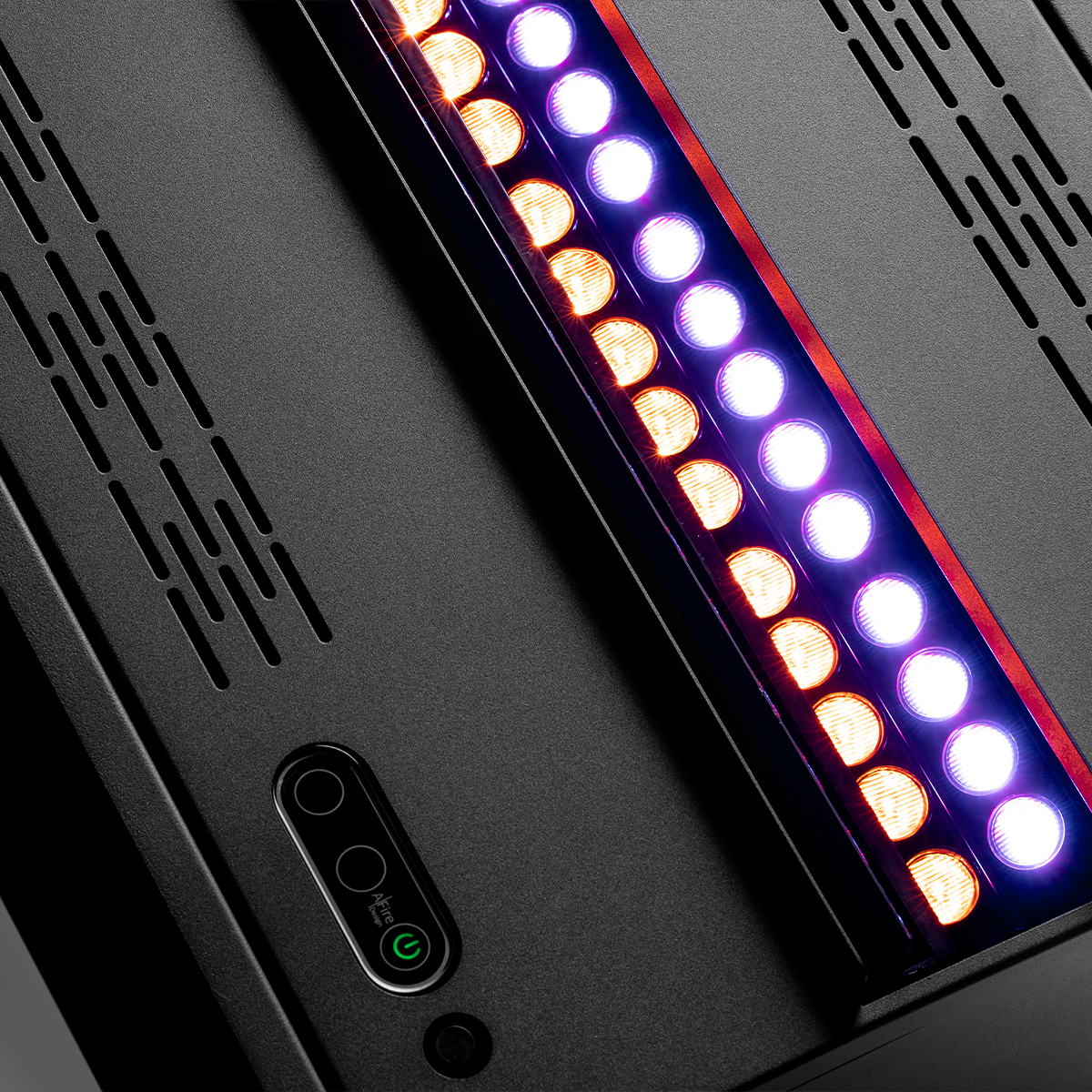
Ask the brand what drives the flame effect. The best systems use multiple light bars (not a single source) to create that sense of dimensionality. A dual light bar setup blends orange and red simultaneously, creating front-to-back layering that reads as more realistic to the eye, and it gives dealers a genuinely specific differentiator to explain at the counter.
Also pay attention to the color range. Some units offer a single flame color. Others allow adjustment from a warm amber to a cooler blue-white, which matters for clients who want to match a specific design aesthetic or ambiance.
2. Evaluate the Water Management System
Here's where many dealers don't dig deep enough...and where problems surface after the sale.
Water vapor fireplaces run on water. That means the water management system isn't a minor feature; it's the core of long-term performance. Hard water (which is more common than you'd think) will degrade an undertreated system over time through mineral buildup, and the results aren't pretty: reduced output, off-color vapor, and eventual service calls.
Ask every brand you evaluate: what does your unit do about water quality?
There's a meaningful difference between brands that recommend filtered water (essentially passing the problem to the customer) and brands that have engineered a true water softening solution into the product itself. A built-in water softener kit treats the water before it enters the system — which means consistent performance for the homeowner and fewer service headaches for you.
Reservoir disinfection is the other piece of this conversation. Stagnant water in a reservoir can develop bacterial growth over time, particularly in units that aren't used daily. A brand that's built disinfection capability into the unit has done the engineering work to protect against this and gives you a legitimate point to make when a client asks about maintenance.
When you're evaluating a product line, ask to see documentation on how they handle both of these issues. Vague answers about "water quality recommendations" aren't the same as an engineered solution.

3. Look at the Installation Story
One of the biggest selling points of water vapor technology is installation flexibility — but only if the unit is designed to support it. Before you add a brand to your floor, make sure you understand what the installation actually looks like for your typical client.
Key questions:
Does it require a dedicated water line, or does it refill manually? Manual refill units offer more placement flexibility, but high-traffic or large-format installs may warrant a plumbed connection. Know what the brand supports.
What are the electrical requirements? Most water vapor fireplaces run on standard household current, but confirm the amperage draw and whether the unit needs a dedicated circuit. This affects what you can promise a client before an electrician is involved.
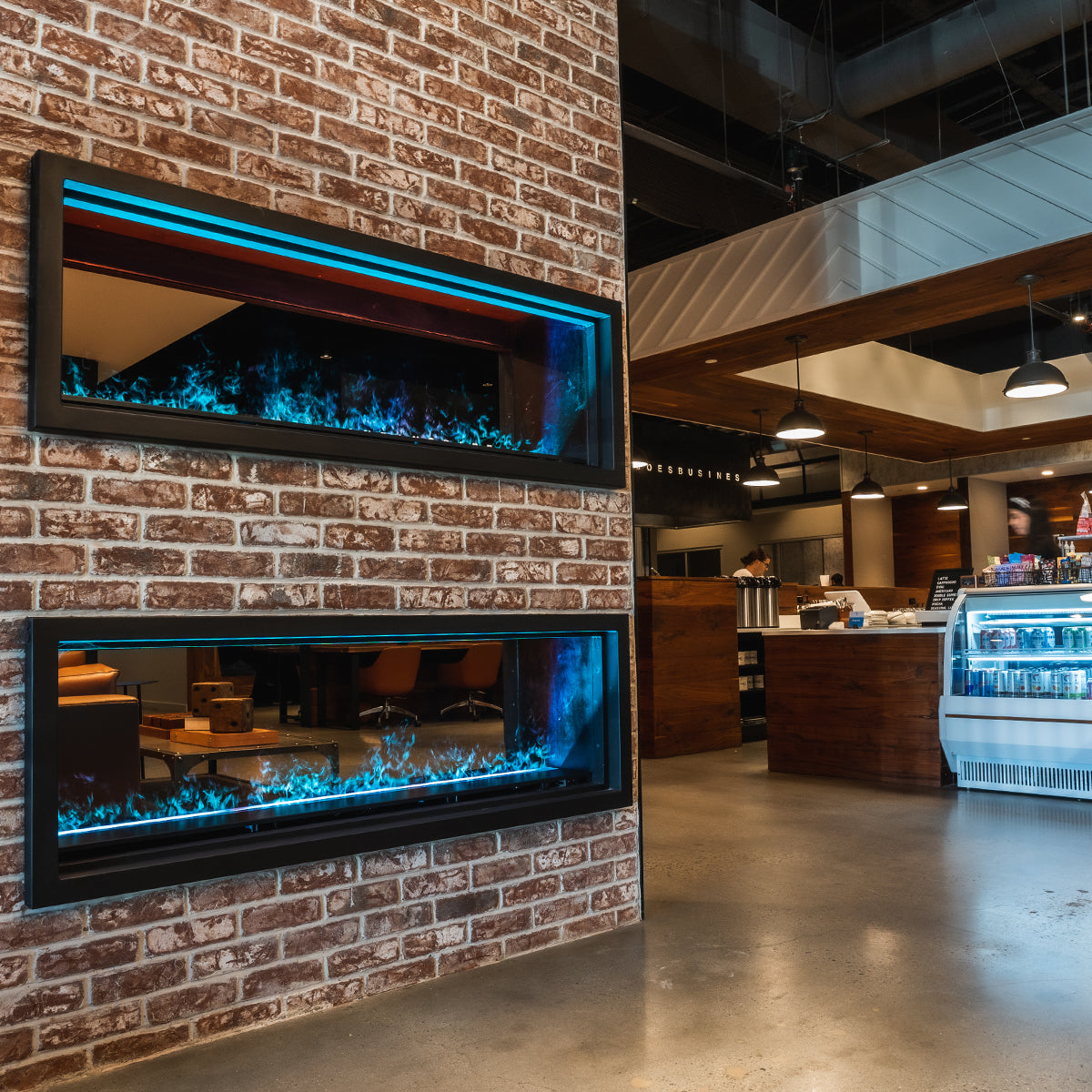
How does heat interact with the surround? This is the "ventless" advantage: water vapor fireplaces don't produce combustion heat, which means they can go in built-ins, entertainment centers, bedrooms, and spaces that would never pass inspection with a gas appliance. Confirm the brand's specs on clearances and make sure you understand what they can and can't promise in writing.
What does service look like? Ask the brand directly: if something fails, what's the dealer's role? A good brand has a clear service process and doesn't leave dealers managing warranty claims without support.
4. Think About What You'll Be Able to Say to Your Customers
Dealers don't just sell products — they sell explanations. When a customer asks "why is this worth the price?" or "how does this compare to [competitor]?", you need language that's true, specific, and confident.
The brands worth carrying give you that language. They've done the engineering work to create real differentiators (not just aesthetic differences) and they can explain why those things matter in plain terms.
A few things that translate well to customer conversations:
- Dual flame bars — "The reason this looks more realistic than other units you've seen is that it uses two light bars that blend orange and red simultaneously, not a single source. That's what creates the depth and the color variation."
- Water softener kit — "Hard water is the main reason water vapor fireplaces need maintenance. This system treats the water before it ever touches the internal components — so you're protected from the start."
- Reservoir disinfection — "It's designed to keep the water clean even during periods when the fireplace isn't in use every day. You don't have to think about it."
These aren't marketing claims; they're engineering decisions that you can explain with confidence. That's what makes a brand worth carrying.

5. Evaluate the Brand Itself — Not Just the Product
The fireplace you put on your showroom floor is a direct reflection of your business. So before you commit to a product line, evaluate the company behind it.
How long have they been in the water vapor category specifically? This is a meaningful question. A brand that started in electric fireplaces and added a water vapor SKU is a different story than a company that was built around the technology from day one.
What does their dealer support look like? Do they provide training, spec resources, and sales tools (Aquafire does) or do they hand you a brochure and a wholesale price? The difference shows up in how confident you feel at the counter.
And what does their product roadmap look like? You want to carry a brand that's investing in the category, not one that's treating it as a line extension. Ask what's coming. Ask what they've learned from their existing install base. A brand that's paying attention to the field will have answers.
Water vapor fireplaces are still an education sale in most markets...which means your customers are relying on you to know things they don't. The brand that helps you be that expert is the brand worth your floor space.
So, What Does That Brand Look Like?
If you've read this far, you're probably already running the mental checklist against brands you've seen or carried. Here's the short version of what you're looking for: a company that was built around water vapor technology (not one that added it to a catalog) with the engineering decisions to prove it.
Aquafire is the only dedicated water vapor fireplace company. That focus shows up in the product: dual light bars that blend orange and red simultaneously, creating genuine depth and realism, a true water softener kit engineered into the system (not a recommendation to use filtered water), and built-in reservoir disinfection that protects performance over time. These aren't features added to a spec sheet — they're the reason we exist.
For dealers, that means you get a product you can explain with confidence, a brand that understands the category deeply, and sales and spec support built for showroom conversations. We're invested in making sure you can answer the questions your customers are going to ask...because that's what makes the category grow for everyone.
If you're evaluating product lines for your showroom, we'd like to be part of that conversation.
Contact us about becoming a Dealer today or email us at sales@aquafire.com.


Leave a comment
This site is protected by hCaptcha and the hCaptcha Privacy Policy and Terms of Service apply.