

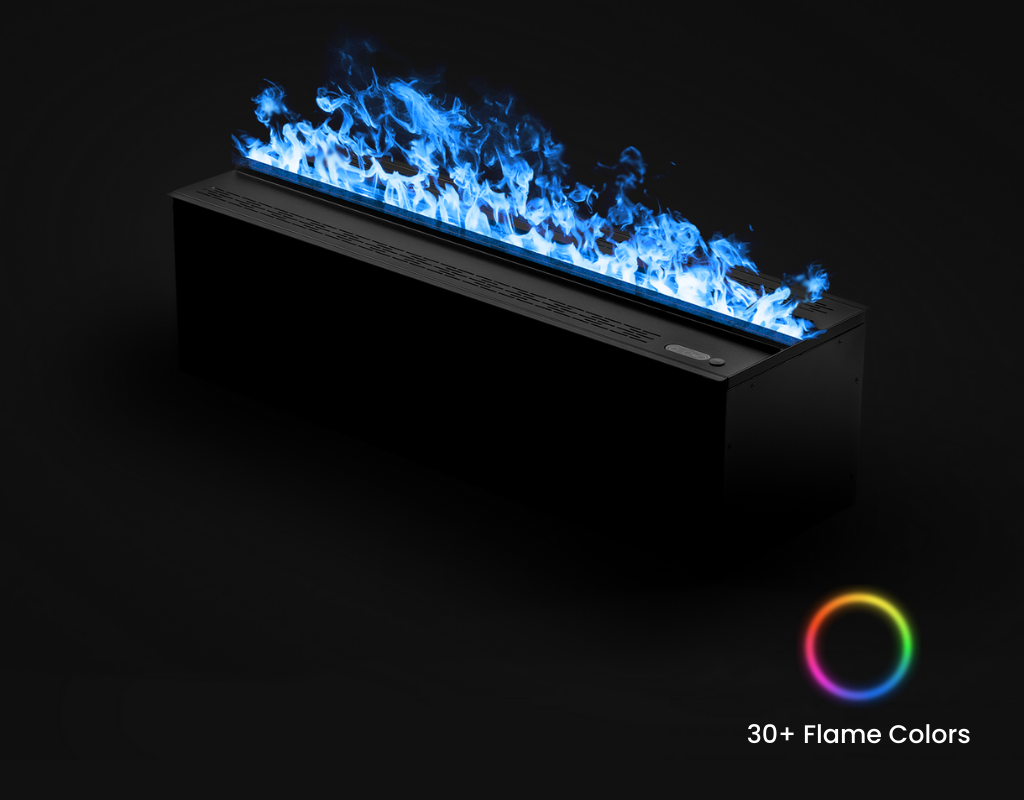
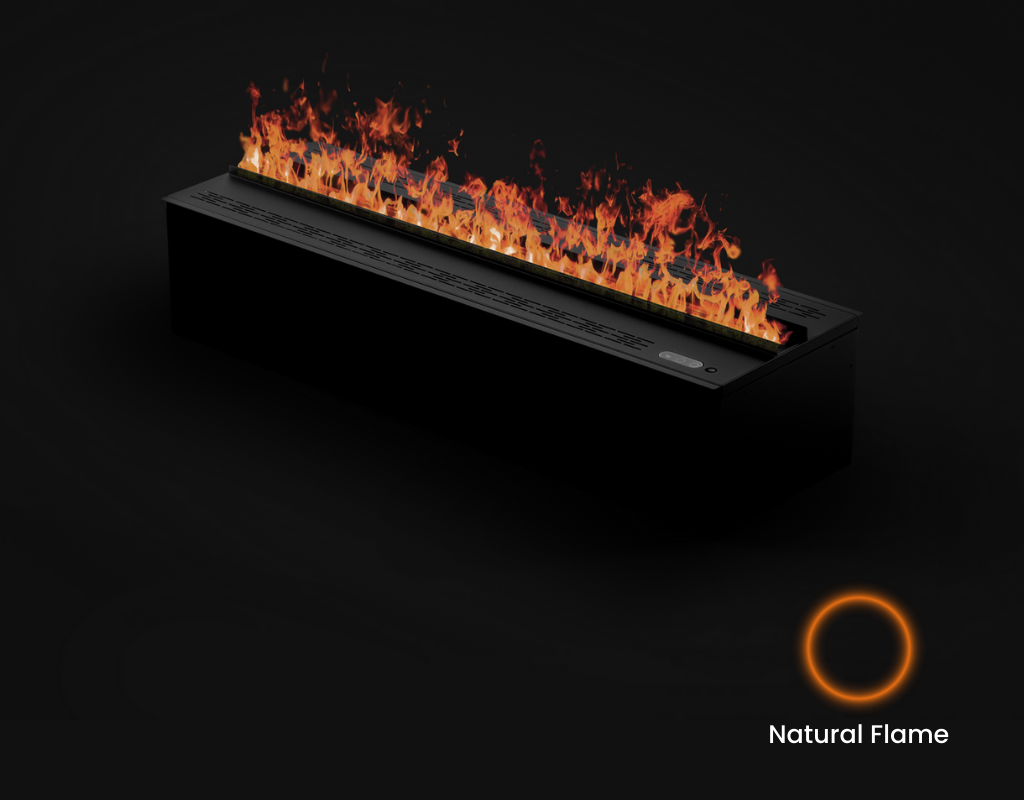
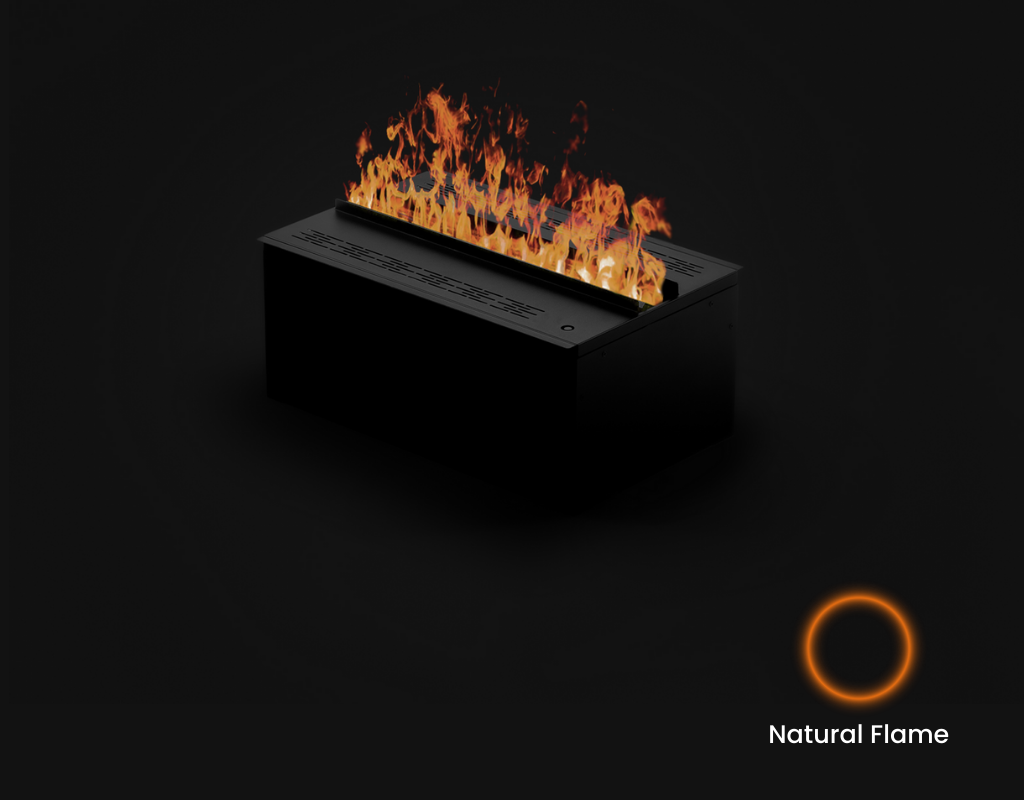
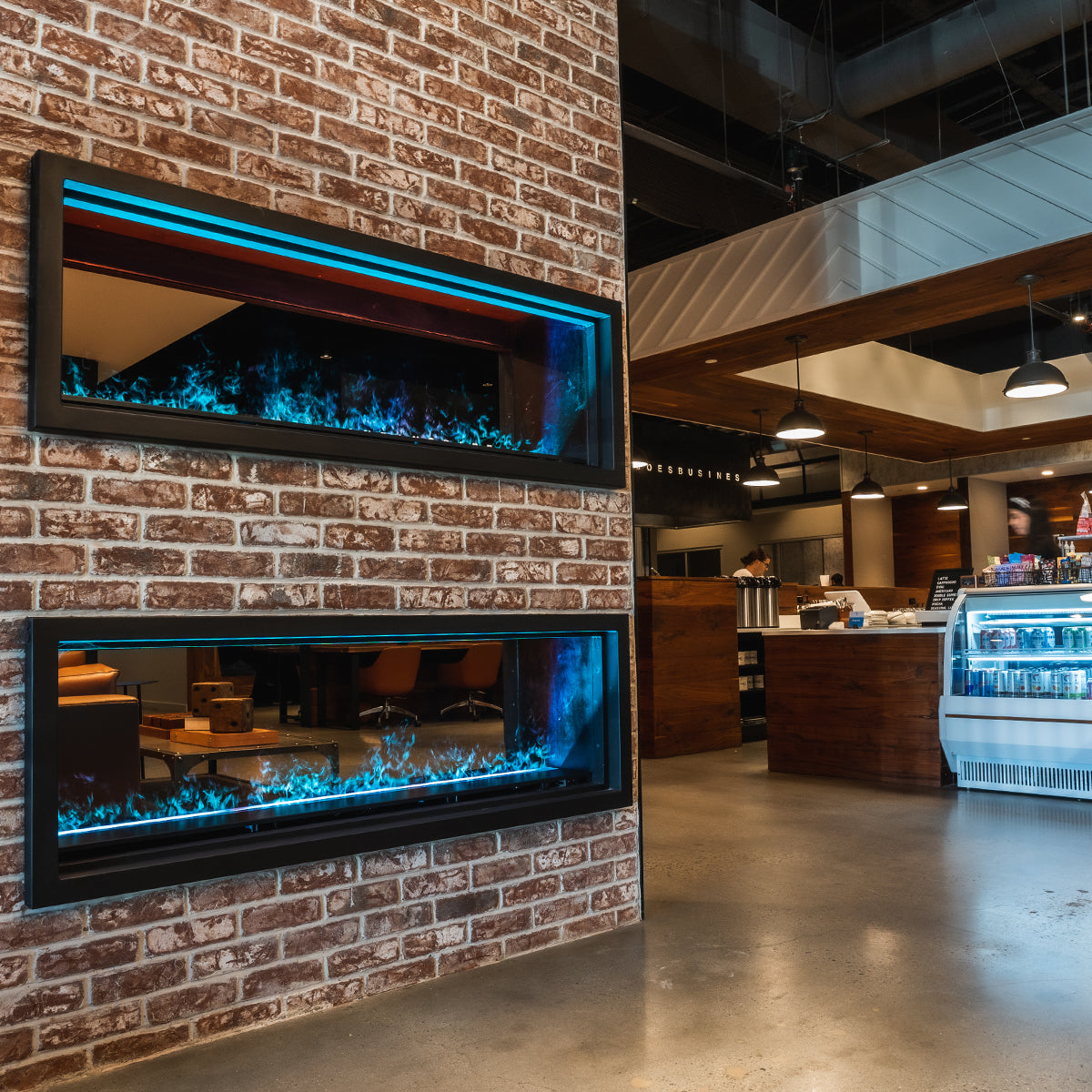


For decades, the fireplace has been treated as a fixed architectural feature: anchored to exterior walls, bound by venting rules, and designed primarily around heat output. But as residential and commercial design continues to evolve, so too does the role of fire itself.
In 2026, architects and designers are increasingly exploring modern fireplace options that prioritize flexibility, safety, and visual impact over tradition. This shift isn’t about rejecting gas or wood-burning fireplaces...it’s about expanding what’s possible.
Below, we explore the key reasons designers are moving beyond conventional fireplaces, and why alternatives are becoming an essential part of contemporary design thinking.
1. Venting Limitations Shape (and Sometimes Restrict) Design
Traditional fireplaces (especially gas and wood-burning) come with strict venting requirements. Flues, chimneys, exterior wall access, roof penetrations, and mechanical clearances often dictate where a fireplace can live long before aesthetics are considered.
In modern builds where...
-
Floor plans are open and fluid
-
Exterior walls are reserved for glazing
-
Multi-story or mixed-use spaces demand efficiency
...venting can become a design constraint rather than a supporting feature.
Designers looking for alternatives to gas fireplaces are often motivated by the desire to place a fireplace where it makes sense visually — not just where venting allows.

2. Heat Isn’t Always Welcome — Or Allowed
While heat is traditionally seen as the primary function of a fireplace, many modern spaces simply don’t need it—or can’t accommodate it safely.
Common scenarios include:
-
Well-insulated, energy-efficient homes
-
Multi-family buildings with strict heat-output limits
-
Hospitality, healthcare, or commercial environments
-
Warm climates or shoulder-season use
Excess heat can limit usability, restrict material choices, and even prevent fireplaces from being used year-round.
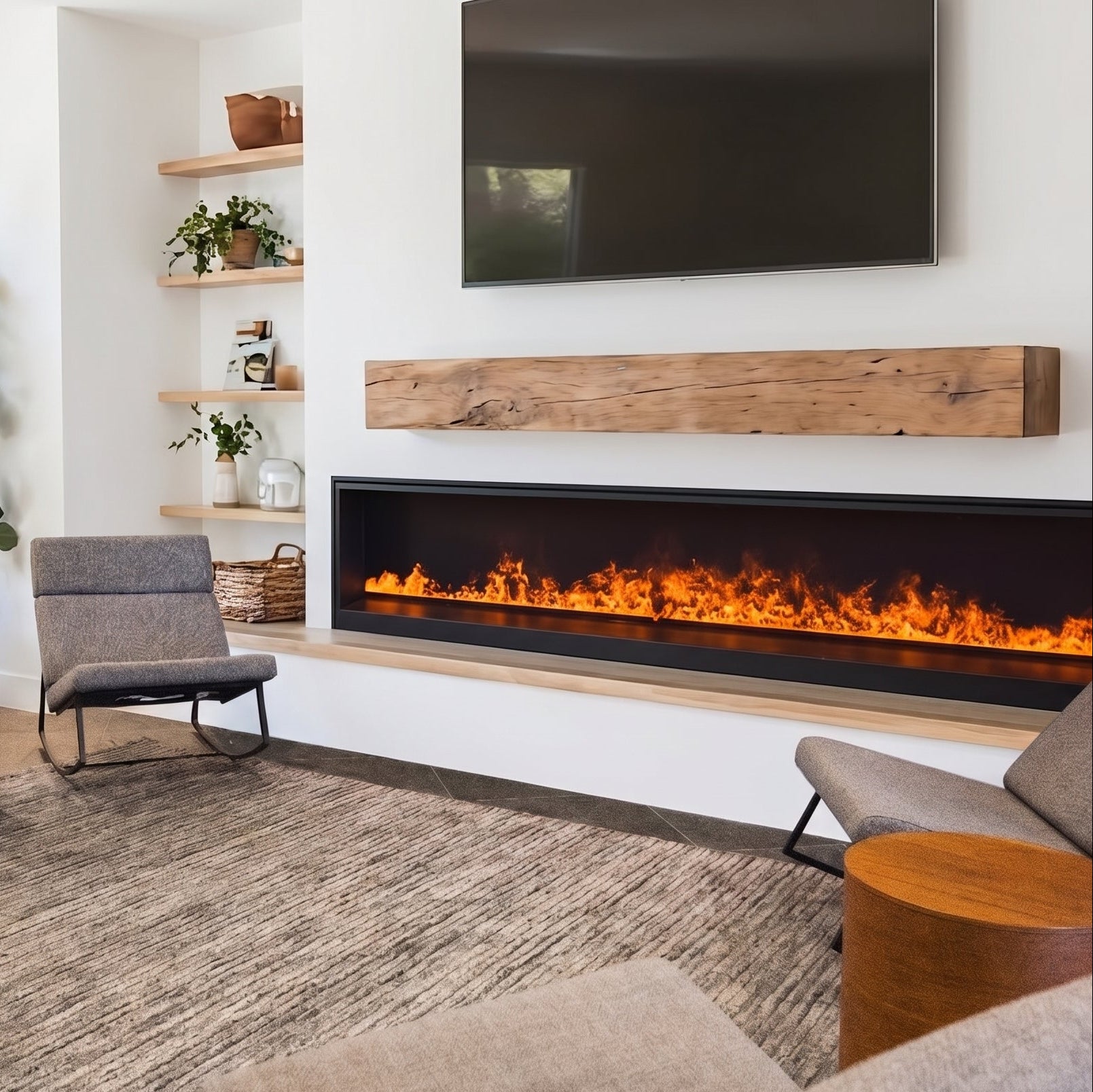
This has led designers to explore modern fireplace options that offer the visual comfort of flame without adding unwanted heat, allowing ambiance to exist independently from temperature control.

3. Code and Clearance Challenges Add Complexity
Fireplace design doesn’t exist in a vacuum; it must comply with local building codes, safety standards, and clearance requirements. With traditional fireplaces, this often means:
-
Minimum distances to combustibles
-
Non-negotiable hearth dimensions
-
Material restrictions around the firebox
-
Increased coordination with engineers and inspectors
As buildings become more complex and timelines more compressed, these requirements can add friction to the design process.
Designers seeking fireplace design flexibility are often motivated by solutions that simplify approvals while still delivering a compelling focal point, especially in projects where safety, accessibility, or public use are top priorities.
4. Flexibility Is the New Luxury
Today’s clients (both residential and commercial) value adaptability. Spaces are expected to evolve, serve multiple functions, and remain relevant over time.
Fireplaces are no longer just anchors for furniture layouts, features reserved for winter, or permanent, immovable installations. Instead, designers are asking:
-
Can this fireplace live on an interior wall?
-
Can it work in all seasons?
-
Can it be specified without major structural impact?
This mindset is driving interest in fireplace solutions that offer placement freedom, minimal infrastructure requirements, and design-forward flame presentation.

5. Rethinking the Role of Fire in Modern Design
The move beyond traditional fireplaces isn’t about abandoning warmth or tradition...it’s about redefining what fire can be.
In 2026, fire is increasingly viewed as:
-
A visual element
-
A mood-setter
-
An architectural feature
-
A year-round experience
By separating flame from fuel and heat from ambiance, designers gain more control over how fire supports the overall space.
This evolution opens the door to innovative fireplace technologies that align with modern priorities: sustainability, flexibility, safety, and clean design.
Designing Forward
As architecture continues to move toward lighter, cleaner, and more adaptable spaces, fireplaces are evolving alongside it.
For architects, designers, and homeowners alike, understanding the growing range of alternatives to gas fireplaces is key to creating spaces that feel intentional, functional, and future-ready.
The fireplace of tomorrow isn’t defined by its fuel source — it’s defined by its ability to support great design.


Leave a comment
This site is protected by hCaptcha and the hCaptcha Privacy Policy and Terms of Service apply.